
REQUEST A FREE ESTIMATE!
Application of Chain Modu and FlexLink in Hygienic Industry
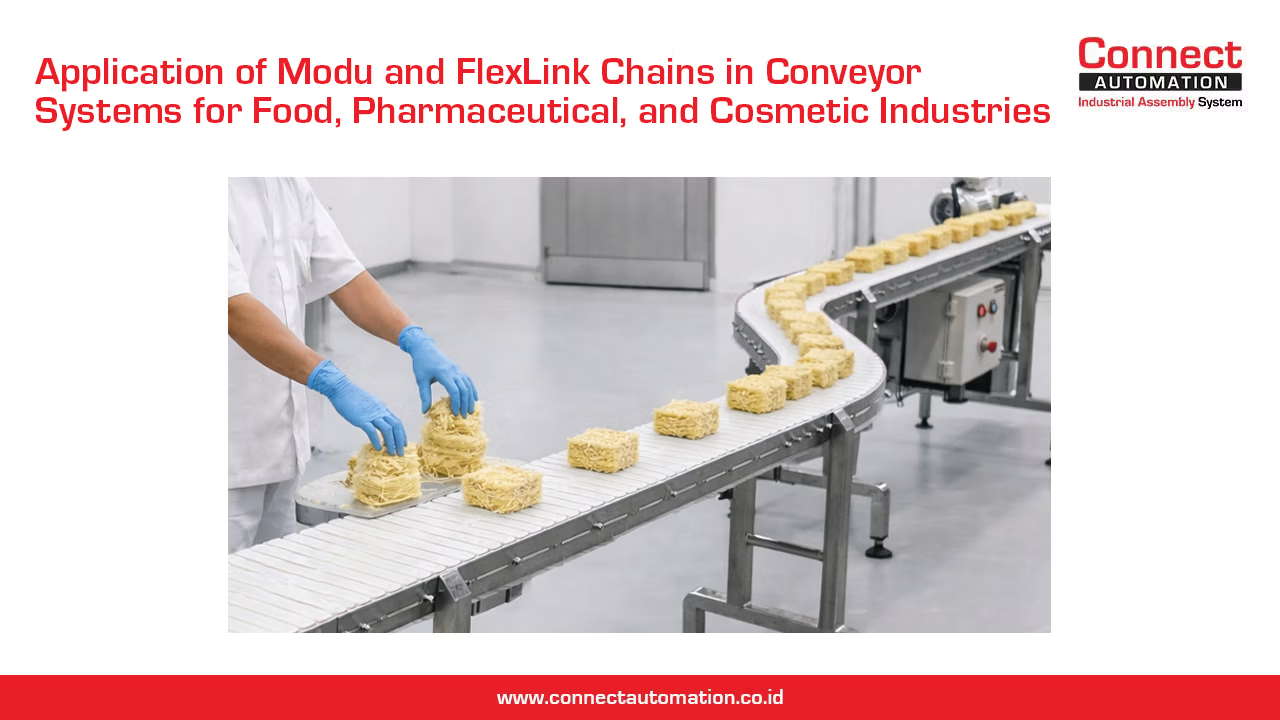
Application of Modu and FlexLink Chains in Conveyor Systems for Food, Pharmaceutical, and Cosmetic Industries
In industries such as food, pharmaceuticals, and cosmetics, conveyor systems play an essential role in maintaining smooth production processes. Beyond simply transferring products, conveyors must also ensure cleanliness, stability, and safety throughout the operation. In this context, the selection of conveyor chains becomes a critical factor.
Unlike general industries, hygienic sectors require higher standards, meaning every component used—including the chain—must be able to support these requirements.
Characteristics of Food, Pharmaceutical, and Cosmetic Industries
These industries have specific characteristics that set them apart from others. Key factors that must be considered include:
- High hygiene standards
- Product safety from contamination
- Ease of cleaning
- The need for regular visual inspection
These requirements make it essential for conveyor systems, particularly the chain, to support a clean and controlled production environment.
The Role of Chains in Conveyor Systems
The chain is the component that comes into direct contact with the product. Therefore, its quality and specifications significantly affect the overall performance of the conveyor system. Key roles of the chain include:
- Maintaining product stability during transfer
- Supporting smooth production flow
- Reducing the risk of product tipping or falling
- Minimizing disruptions in the production line
Using an unsuitable chain can lead to instability, increased wear, and higher downtime.
Chain Materials for Hygienic Industries
Material selection is a crucial factor in determining whether a chain is suitable for hygienic applications.
Plastic (POM / Acetal)
Engineering plastic such as POM (acetal) is the most commonly used material. It is lightweight, corrosion-resistant, and has a smooth surface. Additionally, it offers a good balance between cost and long-term durability, making it ideal for food, beverage, and cosmetic industries.
Stainless Steel (Optional)
For certain conditions, stainless steel chains are also used, especially in environments involving high temperatures or chemical exposure. However, for most hygienic applications, plastic chains remain the preferred choice.
Chain Color and Its Function
In addition to material, chain color plays an important role in supporting operations in hygienic industries.
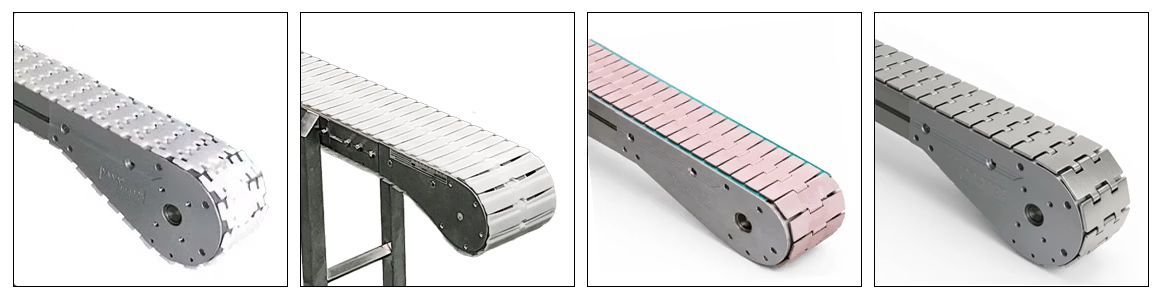
- White : White chains are widely used because they allow easier visual inspection. Dirt or contamination can be quickly identified, helping maintain cleanliness standards.
- Cream / Natural : Typically used in general industrial applications where visual inspection is less critical.
- Stainless Steel : Used in specific applications where strength and durability are prioritized over visual aspects.
Applications in the Food Industry
In the food and beverage industry, conveyor chains are used to handle various types of packaging such as water bottles, soft drinks, and food containers.
Stability is essential, as products are often transported in an upright position. Flat top chains help maintain product positioning throughout the transfer process.
In addition to hygienic design, product stability during the transfer process is a critical factor in modern beverage industries, especially in high-speed bottling line applications. To learn more about conveyor systems designed to maintain bottle stability throughout the production process, you can read the article on Bottle Conveyor Solutions for Stability in Bottling Lines.
Applications in the Pharmaceutical Industry
The pharmaceutical industry requires a higher level of cleanliness and precision. Conveyor systems are used to transport medicine bottles, vials, and sterile packaging.
Chains must be easy to clean and should not become a source of contamination, making material and design critical factors. You can read more complete information about solutions in the pharmaceutical industry in the following article: Table Top Chain Conveyor for Pharmaceutical Industry
Applications in the Cosmetic Industry
In the cosmetic industry, conveyors are used to handle products such as lotion bottles, perfumes, and other beauty packaging. In addition to stability, appearance also matters. Clean and well-maintained chains contribute to overall product quality and presentation. You can read more complete information about solutions in the cosmetics industry in the following article: Table Top Chain Conveyor in Modern Cosmetic Industry
Application in the Tobacco Industry
In the tobacco industry, conveyor systems play an important role in supporting high-speed production and packaging processes that require stability, precision, and consistent product handling at every stage. Cigarette packs need to be transferred smoothly and accurately to ensure they remain properly aligned and undamaged throughout primary and secondary packaging processes.
In addition, production efficiency and line consistency are key factors to maintaining optimal output in mass production systems. To learn more about conveyor applications in cigarette production and packaging lines, you can read the article on Cigarette Conveyor System for Production and Packaging Lines.
Applications in the FMCG Industry (Fast Moving Consumer Goods)
The FMCG (Fast Moving Consumer Goods) industry is characterized by high production volumes and continuous product flow throughout the manufacturing process. Products such as beverages, personal care items, liquid soaps, detergents, and various consumer packaged goods require conveyor systems that can maintain stable product movement without compromising production efficiency.
To meet these requirements, many FMCG manufacturers utilize chain modu and FlexLink systems because they are capable of handling products precisely along both straight and curved conveyor paths. These systems also support integration with filling, labeling, capping, and packaging equipment, allowing production processes to operate in a more structured and consistent manner. In addition, their easy-to-clean design makes them suitable for production environments that require specific hygiene standards.
To learn more about the implementation of table top chain conveyor systems in this sector, you can read the article about Table Top Chain Conveyor for Modern FMCG Production Efficiency
Use of Modu and FlexLink Chains
In practice, chains from brands such as Modu and FlexLink are widely used across industries, particularly in food, pharmaceutical, and cosmetic sectors. This is due to their consistent quality, precision, and suitability for conveyor systems that require high hygiene standards. These chains are also known for providing stable performance over long periods.
Advantages in Hygienic Applications
Using the right chain offers several advantages in hygienic production environments, including:
- Easy to clean
- Supports hygiene standards
- Maintains product stability
- Reduces contamination risk
- Ensures consistent production flow
These benefits are essential for maintaining product quality and operational efficiency.
Common Challenges in the Field
In real-world applications, several challenges are often encountered, such as:
- Risk of contamination
- Chain wear
- Product instability
- Disruptions in production flow
These challenges can generally be minimized by selecting the appropriate chain material and specifications.
When to Pay Attention to Chain Selection
Chain selection becomes especially important when:
- Operating in industries with strict hygiene requirements
- Products are transported in an upright position
- Production runs continuously
- Stability and consistency are required
Considering these factors helps ensure optimal system performance.
Conclusion
In food, pharmaceutical, and cosmetic industries, conveyor chains play a vital role in maintaining product stability, cleanliness, and smooth production flow. The selection of material, color, and chain quality is crucial to ensure reliable system performance. Using the right chain—such as those commonly applied in industrial practices like Modu and FlexLink—can improve operational efficiency while meeting the required hygiene standards.
As industry requirements for HACCP, GMP, BPOM and other hygienic standards continue to increase, modern conveyor systems are no longer viewed simply as product transportation equipment. They must also support cleanliness, product stability, and operational efficiency. To learn more about the standards and design principles commonly applied in modern hygienic conveyor systems, you can read our article Modern Table Top Chain Conveyor Standards for Hygienic Industries.
Connect Automation specializes in providing automation solutions, including conveyor systems, to improve efficiency across various industries. The company delivers cutting-edge technology to help organizations automate tasks and optimize workflows. Connect Automation helps businesses reduce manual efforts, boost productivity, and achieve better outcomes. With a customer-focused approach, the company designs tailored solutions to ensure smooth and effective automation transitions for long-term success.
Kawasan Industri Jababeka Tahap 1, Jl. Jababeka II D Blok C14L Cikarang, Indonesia (17530)
(021) 893 5060 Google Maps
Rungkut Industri III, No. 37, Rungkut Menanggal, Kec. Gn. Anyar Surabaya, Indonesia (60293)
(031) 9985 8624 Google Maps