REQUEST A FREE ESTIMATE!
What Is a Machine Enclosure Function Benefits and Industrial Uses
Workplace safety is one of the most important aspects of modern manufacturing. Many production machines operate automatically with high-speed moving components such as conveyors, rollers, gearboxes, actuators, and robotic arms. Without proper protection, these machines can pose serious risks to operators and maintenance personnel.
One of the most widely used safety solutions is a machine enclosure. Besides restricting access to hazardous areas, a machine enclosure is an essential part of a safety guarding system that helps create a safer and more controlled production environment.
What Is a Machine Enclosure?
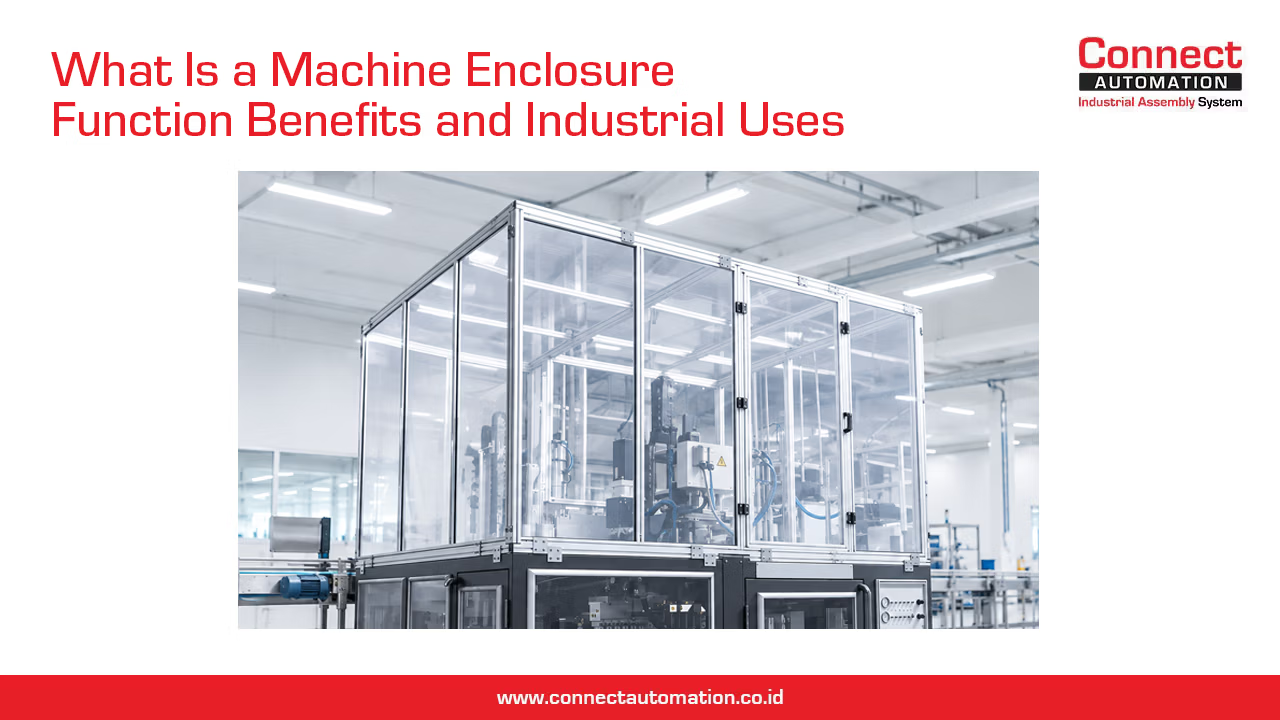
A machine enclosure is a protective structure installed around a machine or a specific production process to prevent unauthorized or accidental access to hazardous areas. It is typically constructed using a metal frame combined with wire mesh panels, transparent polycarbonate panels, or a combination of both, depending on the application's requirements.
As part of a safety guarding system, a machine enclosure separates operators from potential hazards without interfering with the production process. By creating a physical barrier, it significantly reduces the risk of direct contact with moving machine components.
In the context of machine safety and area control, containment is the concept of limiting or isolating hazards, machine components, or specific processes within a designated area. In a machine enclosure, this principle helps separate the machine operating area from its surroundings, allowing operator access to be controlled and reducing the potential for contact with moving machine components. In general, containment is one approach used to keep hazards or specific processes within a controlled area. Therefore, an enclosure can be part of the implementation of the containment principle to create a more controlled working environment.
In many modern manufacturing facilities, machine enclosures are also equipped with access doors connected to safety sensors or interlock switches. When a door is opened, the machine automatically stops operating, providing an additional layer of protection beyond the physical barrier itself.
What Are the Functions of a Machine Enclosure?
A machine enclosure serves several important functions in improving workplace safety and supporting efficient production operations.
1. Protecting Operators from Moving Machine Parts
Components such as pulleys, sprockets, chains, conveyor belts, gearboxes, rollers, and robotic arms can cause serious injuries if they are accessed while the machine is operating. A machine enclosure helps prevent operators from entering these hazardous areas during production.
2. Restricting Unauthorized Access
Not everyone working on the production floor should have access to operating machinery. A machine enclosure helps control access to hazardous zones, ensuring that only authorized personnel can enter when necessary.
3. Reducing Workplace Accident Risks
By creating a physical barrier between workers and hazardous equipment, machine enclosures help reduce the likelihood of injuries caused by moving parts, pinch points, or accidental contact with machinery.
Using an enclosure as a physical barrier is one of the ways safety guarding can be implemented in production areas. In addition to protecting operators from moving machine components, safety guarding also helps control access to certain areas and supports the consistent implementation of workplace safety procedures. Learn more about Safety Guarding for Occupational Safety in Modern Production Area.
4. Supporting an Integrated Safety Guarding System
A machine enclosure is more than just a physical barrier. In many applications, it works together with safety sensors, interlock switches, emergency stop devices, and other safety control systems to provide a more comprehensive level of machine protection.
Common Components of a Machine Enclosure
Although every machine enclosure is designed according to the specific application, several components are commonly used.
1. Structural Frame
The frame serves as the main support structure for the enclosure. Aluminum profiles and steel are among the most common materials because they provide excellent strength while allowing flexible and modular designs.
2. Protective Panels
Protective panels may consist of wire mesh for maximum airflow and visibility or transparent polycarbonate panels that allow operators to monitor the production process without opening the enclosure.
3. Access Doors
Access doors provide entry for inspection, machine setup, cleaning, and maintenance activities. Their location and size should be carefully designed to ensure easy access for maintenance personnel.
4. Handles and Locking Systems
Handles make it easy to open and close access doors, while locking mechanisms help ensure that the enclosure remains securely closed during machine operation.
5. Interlock Switches
For higher-risk applications, access doors are often equipped with safety interlock switches. When the door is opened, the interlock immediately sends a signal to stop the machine, allowing operators and maintenance personnel to work more safely.
The use of an interlock switch on an enclosure can also be combined with safety sensors to create a more integrated protection system. Sensors can help detect specific conditions within the machine area, while the interlock ensures that access to the area can be controlled according to the machine's operating conditions. The combination of both is an important part of implementing safety guarding in production areas. Learn more about The Role of Sensors and Interlocks in Safety Guarding Systems.
When Is a Machine Enclosure Needed?
Not every machine requires the same type of enclosure. However, machine enclosures are highly recommended for equipment with the following characteristics:
- Machines with continuously rotating or moving components.
- Equipment containing pinch points or crushing hazards.
- Automated machinery that operates without continuous operator interaction.
- Robotic systems or actuators with wide operating ranges.
- High-speed production equipment.
- Machines that should not be accessed while operating.
A proper risk assessment helps determine whether a machine requires a full enclosure, a partial enclosure, or another type of safety guarding solution.
Industries That Commonly Use Machine Enclosures
Machine enclosures are widely used across various industries because they improve workplace safety while maintaining efficient production processes. Common applications include:
- Automotive manufacturing for robotic welding cells, automated assembly systems, and material handling equipment.
- Electronics manufacturing for assembly machines, testing equipment, and automated handling systems.
- Food and beverage production for filling machines, packaging equipment, labeling systems, and automated conveyor lines.
- Pharmaceutical manufacturing for packaging, inspection, and automated production equipment.
- Plastic manufacturing for injection molding machines and product handling systems.
- Packaging industries for carton sealers, case packers, palletizers, and conveyor systems.
Although each industry uses different types of machinery, the primary objective remains the same: protecting personnel from hazardous areas without reducing production efficiency.
Key Considerations When Designing a Machine Enclosure
To provide effective protection while supporting daily operations, several factors should be considered during the design process.
1. Easy Maintenance Access
Maintenance personnel should be able to inspect and service the machine without unnecessary difficulty. Proper placement of access doors and removable panels is essential.
2. Operator Visibility
Operators often need to monitor machine performance during operation. Using wire mesh or transparent polycarbonate panels allows clear visibility while maintaining safety.
3. Integration with Safety Systems
Machine enclosures become significantly more effective when integrated with safety interlocks, safety sensors, emergency stop systems, and machine control systems.
4. Appropriate Material Selection
The enclosure material should match the operating environment. Aluminum profiles are commonly selected because they are lightweight, durable, corrosion-resistant, and easy to modify or expand. Other materials may be more suitable for specialized industrial environments.
Machine Enclosure vs. Safety Fence: What Is the Difference?
Although machine enclosures and safety fences may appear similar, they serve different purposes within a safety guarding system.
A machine enclosure is typically designed to surround a single machine or a specific manufacturing process. It often incorporates transparent panels or wire mesh, allowing operators to observe machine operation while remaining protected from hazardous moving parts.
A safety fence, on the other hand, is generally used to secure larger hazardous areas such as robotic cells, automated material handling systems, or entire production lines. Its primary function is to control access to a designated danger zone rather than protect only one individual machine.
Choosing between a machine enclosure and a safety fence depends on the results of a machine risk assessment, facility layout, operational requirements, and the level of protection needed. In many manufacturing environments, both solutions are used together to provide comprehensive machine safety.
Conclusion
A machine enclosure is one of the most effective forms of physical safety guarding used in industrial facilities. By preventing access to hazardous machine components, it helps protect operators while supporting safer and more efficient production processes.
When properly designed and integrated with safety sensors, interlocks, and other machine safety devices, a machine enclosure provides more than just physical protection. It contributes to workplace safety, simplifies maintenance activities, improves operational efficiency, and supports a safer manufacturing environment overall.
Connect Automation specializes in providing automation solutions, including conveyor systems, to improve efficiency across various industries. The company delivers cutting-edge technology to help organizations automate tasks and optimize workflows. Connect Automation helps businesses reduce manual efforts, boost productivity, and achieve better outcomes. With a customer-focused approach, the company designs tailored solutions to ensure smooth and effective automation transitions for long-term success.
Kawasan Industri Jababeka Tahap 1, Jl. Jababeka II D Blok C14L Cikarang, Indonesia (17530)
(021) 893 5060 Google Maps
Rungkut Industri III, No. 37, Rungkut Menanggal, Kec. Gn. Anyar Surabaya, Indonesia (60293)
(031) 9985 8624 Google Maps