REQUEST A FREE ESTIMATE!
Stainless Steel 201 vs Stainless Steel 304 for Conveyor Systems
In modern industrial manufacturing—especially in food, beverage, pharmaceutical, and FMCG sectors—the selection of conveyor material is not merely a mechanical decision. It directly impacts product hygiene, operational safety, and regulatory compliance such as BPOM, GMP, and HACCP standards.
One of the most common discussions in the field is the comparison between stainless steel 201 vs stainless steel 304, particularly when cost reduction becomes a major consideration in project procurement.
At first glance, stainless steel 201 may appear to be a cost-effective alternative. However, in real industrial applications, the difference between these two materials goes far beyond price—it defines long-term operational risk.
Stainless Steel 201: The “Shiny Metal” Misconception
In many industrial environments, stainless steel 201 is often informally referred to as “shiny metal” or “polished iron.”
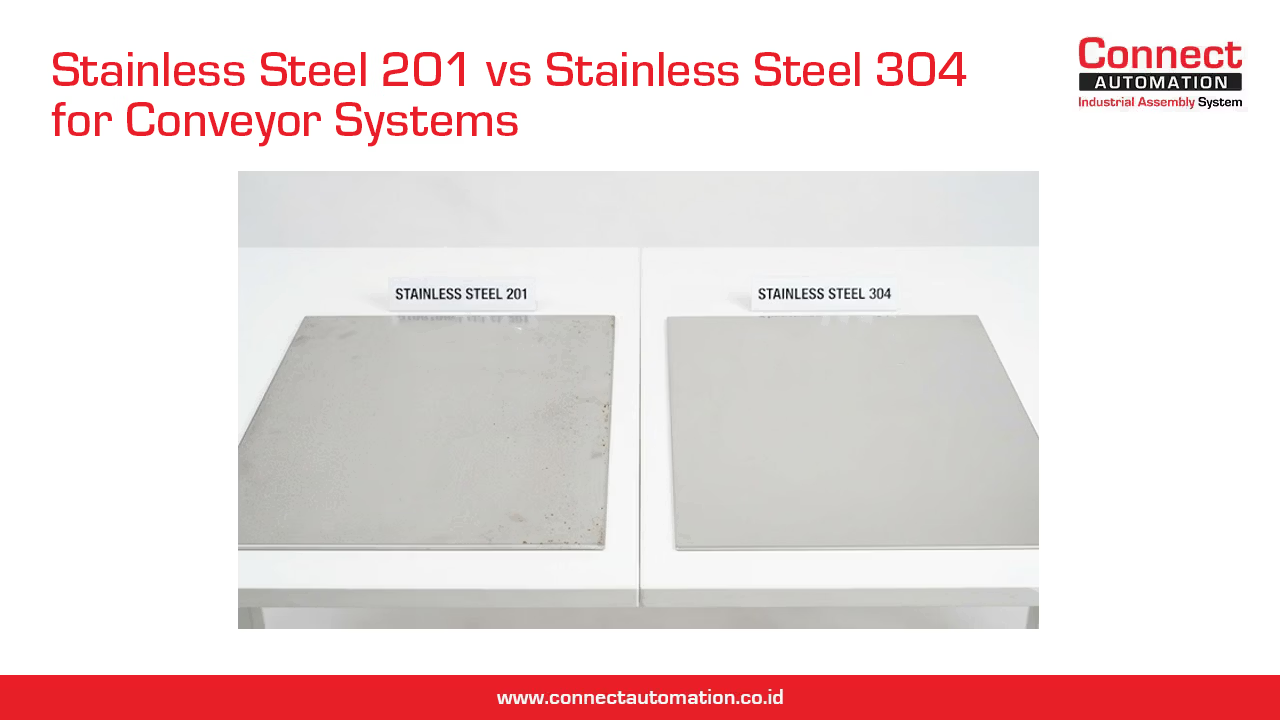
This term comes from its visual appearance—bright, clean, and visually similar to stainless steel. However, in terms of material characteristics, stainless steel 201 behaves much closer to iron-based metal than to true industrial-grade stainless steel such as 304. In simple terms:
- Visually: it looks like stainless steel
- Performance-wise: it behaves closer to iron
- Corrosion resistance: significantly lower than stainless steel 304
This visual similarity is exactly what often leads to misinterpretation in the field.
Because it looks “clean and stainless-like,” many users assume it is suitable for hygienic industrial applications. However, in real operating conditions—especially in humid environments and frequent cleaning processes—stainless steel 201 shows clear limitations in corrosion resistance and material stability.
Stainless Steel 304: The Industry Standard for Hygienic Applications
In contrast, stainless steel 304 has long been recognized as the standard material for hygienic industrial applications.
With higher nickel content and better corrosion resistance, stainless 304 is designed to withstand frequent washing, sanitation processes, and exposure to moisture-heavy environments. It is widely used in:
- Food and beverage processing industries
- Pharmaceutical manufacturing
- FMCG production lines
- Any environment requiring strict hygiene control
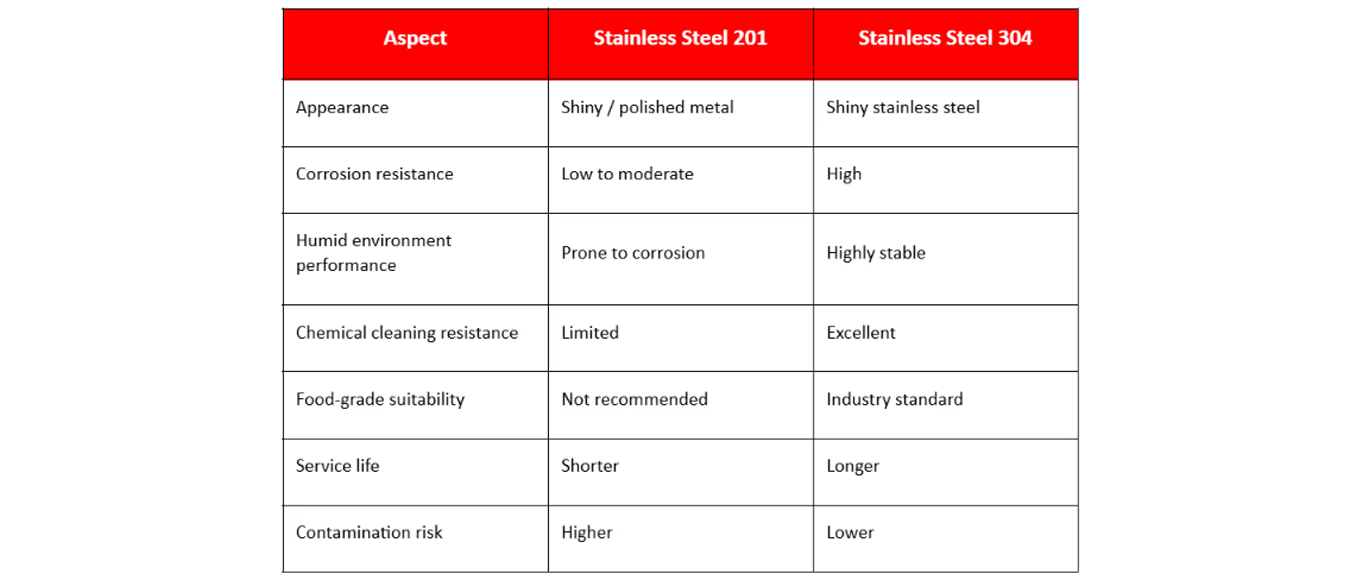
Stainless Steel 201 vs 304 Comparison
Risks of Using Stainless Steel 201 in Conveyor Systems
While stainless steel 201 may offer initial cost savings, its use in conveyor systems—especially in food, beverage, and pharmaceutical industries—comes with several critical risks that are often overlooked during procurement.
1. Corrosion and Material Degradation
Stainless steel 201 is more susceptible to rust, especially in environments with:
- High humidity
- Frequent water exposure
- Regular chemical cleaning
Over time, this can lead to:
- Surface discoloration
- Structural degradation
- Potential particle contamination in production areas
2. Compliance Risks with BPOM and Industrial Standards
In regulated industries, conveyor materials are subject to scrutiny during audits and compliance evaluations. The use of non-standard hygienic materials may lead to:
- Findings during internal or external audits
- Requests for corrective actions
- Questions regarding GMP and HACCP compliance
In strict manufacturing environments, these issues can directly affect production eligibility and certification status.
3. Hygiene and Product Contamination Risks
Corrosion or surface degradation can become a source of contamination, either in the form of:
- Metal particles
- Micro-level contamination
- Hygiene breaches in production zones
This is particularly critical in:
- Open food handling processes
- Packaging lines
- Product transfer zones
4. Higher Long-Term Cost
Although stainless steel 201 appears cheaper at the initial investment stage, the long-term cost can be significantly higher due to:
- More frequent maintenance
- Early component replacement
- Production downtime
- Potential system rework or redesign
Cutting Cost vs Cutting Corners
A common mistake in industrial procurement is focusing solely on initial cost reduction (cutting cost) without considering long-term operational impact.
In conveyor system material selection, choosing stainless steel 201 purely for budget reasons can unintentionally become cutting corners—reducing quality in a critical area: product safety and hygiene integrity.
The consequences of this approach often far exceed the initial cost savings.
Why Stainless Steel 304 is Recommended
Stainless steel 304 remains the preferred choice because it offers:
- Stable performance in wet and hygienic environments
- Compatibility with cleaning and sanitization processes
- Compliance with HACCP, GMP, and BPOM standards
- Safer for food-contact applications.
- Longer operational lifespan
- Reduced risk of downtime and maintenance issues
In many industrial applications, stainless 304 is not just a material choice—it is part of a risk management strategy for production quality and safety.
Conclusion: An Investment in Safety and Reliability
The decision between stainless steel 201 and stainless steel 304 is not simply a cost comparison—it is a strategic decision that affects long-term production reliability, hygiene integrity, and regulatory compliance.
The SUS 201 vs 304 comparison should ultimately be based on the application requirements rather than material cost alone. When evaluating stainless steel 201 vs 304, the key differences to consider include their material characteristics and resistance to specific operating environments. Understanding the difference between stainless steel 201 and 304 becomes particularly important for industrial conveyor applications, especially when hygiene, moisture, corrosion resistance, and service life are important considerations.
While stainless steel 201 may seem attractive due to lower upfront costs, it introduces significant risks in corrosion resistance, sanitation performance, and compliance readiness.
On the other hand, stainless steel 304 provides stability, safety, and long-term value that align with the requirements of modern industrial production systems.
In hygiene-critical industries, material selection is not just about structure—it is part of the product quality assurance system itself.
Connect Automation specializes in providing automation solutions, including conveyor systems, to improve efficiency across various industries. The company delivers cutting-edge technology to help organizations automate tasks and optimize workflows. Connect Automation helps businesses reduce manual efforts, boost productivity, and achieve better outcomes. With a customer-focused approach, the company designs tailored solutions to ensure smooth and effective automation transitions for long-term success.
Kawasan Industri Jababeka Tahap 1, Jl. Jababeka II D Blok C14L Cikarang, Indonesia (17530)
(021) 893 5060 Google Maps
Rungkut Industri III, No. 37, Rungkut Menanggal, Kec. Gn. Anyar Surabaya, Indonesia (60293)
(031) 9985 8624 Google Maps