
REQUEST A FREE ESTIMATE!
Modular Conveyors for Hygienic Wet Food Processing Lines
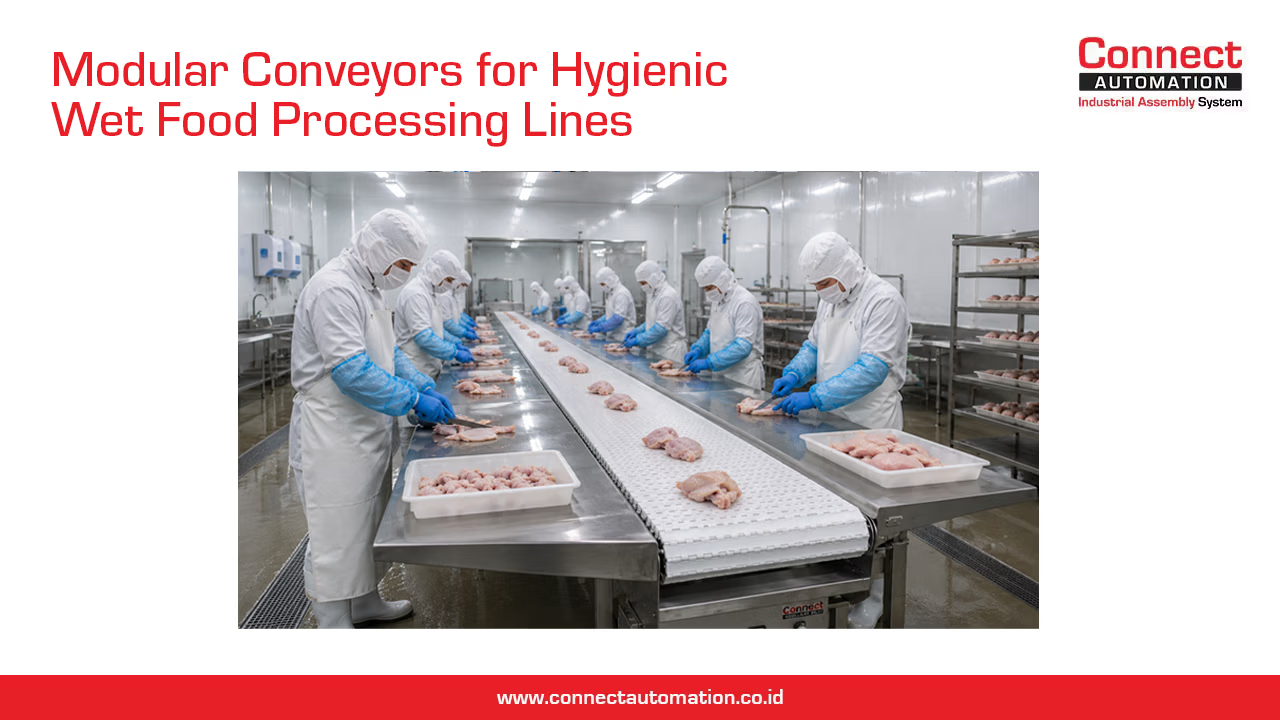
Modular conveyor menjadi salah satu solusi yang banyak digunakan karena mampu mendukung lingkungan produksi yang lembab, membantu proses sanitasi, serta mendukung penanganan berbagai jenis produk makanan basah secara lebih efisien. Selain itu, pada aplikasi tertentu, PU blue belt conveyor juga dapat menjadi alternatif yang sesuai untuk kebutuhan direct food contact dengan proses transfer yang lebih sederhana.
To support these requirements, modular conveyors have become a widely used solution in wet food processing facilities. Their design helps manufacturers maintain hygienic production environments while supporting routine cleaning and sanitation procedures.
What Is Wet Food Processing?
Wet food processing refers to the production and handling of food products that contain high moisture levels or generate liquids during processing. Common examples include:
- Fresh meat
- Fresh poultry
- Seafood
- Fish
- Processed meat products
- Marinated products
- Tofu
- Tempeh
- Ready-to-cook products
In these applications, products often come into direct contact with the conveyor system, making hygiene and sanitation critical considerations.
Challenges of Handling Wet Food Products
Compared to dry products or fully packaged goods, wet food products require additional attention during handling and transportation.
1. High Moisture Content
Wet food products typically carry moisture or liquids throughout the production process. As a result, conveyor systems must be capable of operating reliably in humid and wet environments.
2. Product Residue on Conveyor Surfaces
During production, residues such as food particles, product liquids, marinades, or seasonings may accumulate on conveyor surfaces. If not properly managed, these residues can affect production hygiene and increase cleaning requirements.
3. More Frequent Cleaning Requirements
Wet food processing facilities generally implement more frequent cleaning and sanitation schedules than most general manufacturing operations. Therefore, conveyor systems must be designed to support routine cleaning procedures.
4. Risk of Cross-Contamination
Maintaining cleanliness throughout the production environment is essential for protecting product quality and food safety. Conveyor systems that support effective sanitation practices can help reduce the risk of cross-contamination between production stages.
Why Are Modular Conveyors Commonly Used?
Modular conveyors are a popular choice in wet food processing because they can accommodate production environments that require high levels of hygiene and regular cleaning. In addition, modular belt designs provide flexibility for handling different types of products while supporting operation in humid production environments.
Supporting Cleaning and Sanitation Procedures
Hygiene is one of the most important priorities in wet food processing.
Modular conveyors are widely used because their design allows better accessibility during cleaning procedures. This helps production teams clean conveyor surfaces more effectively as part of the facility's sanitation program.
Ease of cleaning is one of the key reasons modular conveyors are commonly implemented in modern food processing facilities.
Helping Reduce Product Residue Accumulation
In wet food processing, product residue can originate from various sources, including:
- Meat trimmings
- Food particles
- Seasoning residues
- Product liquids
- Processing by-products
Proper residue management helps maintain cleaner production areas and supports more consistent operations.
For this reason, selecting the right conveyor system is an important part of designing an efficient wet food processing line.
Supporting Better Liquid Drainage
In addition to product residues, liquid management is another important consideration in wet food processing. Liquids may come from:
- The products themselves
- Raw material washing processes
- Marination operations
- Facility cleaning procedures
The open structure of modular belts helps support more effective liquid drainage compared to fully closed conveyor surfaces, contributing to cleaner production environments.
Common Conveyor Materials
Food-Grade Modular Belts
Food-grade modular belts are among the most commonly used conveyor belts in wet food processing applications. Their advantages include:
- Suitable for direct food contact applications
- Support humid production environments
- Available in various designs to match specific processes
- Compatible with routine cleaning procedures
Stainless Steel Frames
In addition to the belt itself, the conveyor structure also plays an important role in supporting sanitation requirements. For this reason, many wet food processing facilities use stainless steel frames because they:
- Support hygienic production environments
- Withstand frequent washdown procedures
- Are widely used throughout the food and beverage industry
The combination of food-grade modular belts and stainless steel frames is one of the most common conveyor configurations found in wet food processing facilities.
One of the most common mistakes in wet food processing facilities is the use of Stainless Steel 201 for conveyor frames simply to reduce initial investment costs. However, frequent washdowns, constant exposure to moisture, and regular contact with cleaning chemicals make Stainless Steel 201 more susceptible to corrosion than Stainless Steel 304. In food manufacturing environments, corrosion can compromise hygienic production conditions and become a concern for maintaining food safety.
For this reason, production facilities that follow Good Manufacturing Practices (GMP), hygienic principles recognized by BPOM (Indonesia's National Agency of Drug and Food Control), and internationally recognized standards such as 3-A Sanitary Standards and EHEDG (European Hygienic Engineering & Design Group) generally use Stainless Steel 304 for conveyor systems operating in wet food processing environments. Selecting materials based solely on lower initial cost while overlooking hygiene and corrosion resistance can result in higher maintenance expenses, a shorter equipment lifespan, and increased risks to product quality and food safety. To learn more about the differences between these two materials, read our article on Stainless Steel 201 vs. Stainless Steel 304 for Industrial Conveyors.
Industries That Commonly Use This Application
Modular conveyors for wet food processing are widely used in industries such as:
- Poultry processing
- Meat processing
- Seafood processing
- Fish processing
- Tofu and tempeh production
- Ready-to-cook food manufacturing
Although product characteristics vary between industries, the need for hygiene, sanitation, and efficient product handling remains a common requirement.
When Is a PU Blue Belt Conveyor a Suitable Alternative?
Although modular conveyors are widely used in wet food processing, not every application requires a modular conveyor system. In certain areas with relatively simple transfer requirements, PU blue belt conveyors are also commonly used for direct food contact applications. Typical examples include:
- Product transfer between production stages
- Specific food contact areas
- Production lines with straightforward conveying requirements
- Certain sections before packaging operations
The choice between a modular conveyor and a PU blue belt conveyor usually depends on cleaning methods, environmental conditions, sanitation requirements, and product characteristics.
To learn more about the use of PU blue belts in food contact applications, you can also read our article on Belt Conveyors for Food Contact Products.
Hygiene Standards in Wet Food Processing
Wet food production carries a higher risk of contamination compared to dry food processing due to its higher moisture content and the fact that products often come into direct contact with production equipment. For this reason, conveyor systems used in these environments must be designed to support cleanliness, hygiene, and effective sanitation procedures.
In the food industry, various standards and guidelines are used to help ensure product safety throughout the manufacturing process. These include HACCP (Hazard Analysis and Critical Control Points), the implementation of Good Manufacturing Practices (GMP), as well as regulatory requirements related to production facilities, sanitation, and food safety management.
The selection of food-grade materials, hygienic conveyor design, and the ability to support routine cleaning and sanitation procedures are all important factors in meeting the requirements of modern food processing facilities.
To learn more about food-grade conveyor requirements, hygiene standards, and industry regulations for food manufacturing, you can read our article Food Grade Conveyors in Compliance with Food Industry Standards and Regulations.
Conclusion
Wet food processing presents unique challenges compared to many other manufacturing environments. High moisture content, product residues, strict sanitation requirements, and routine cleaning procedures make conveyor selection an important part of production line design.
Modular conveyors have become a widely used solution because they support humid production environments, facilitate sanitation procedures, and efficiently handle a variety of wet food products. In certain applications, PU blue belt conveyors can also be an effective alternative for direct food contact processes with simpler transfer requirements.
Connect Automation specializes in providing automation solutions, including conveyor systems, to improve efficiency across various industries. The company delivers cutting-edge technology to help organizations automate tasks and optimize workflows. Connect Automation helps businesses reduce manual efforts, boost productivity, and achieve better outcomes. With a customer-focused approach, the company designs tailored solutions to ensure smooth and effective automation transitions for long-term success.
Kawasan Industri Jababeka Tahap 1, Jl. Jababeka II D Blok C14L Cikarang, Indonesia (17530)
(021) 893 5060 Google Maps
Rungkut Industri III, No. 37, Rungkut Menanggal, Kec. Gn. Anyar Surabaya, Indonesia (60293)
(031) 9985 8624 Google Maps