REQUEST A FREE ESTIMATE!
Why Aluminum Profiles Are Ideal for Industrial Platform Stairs
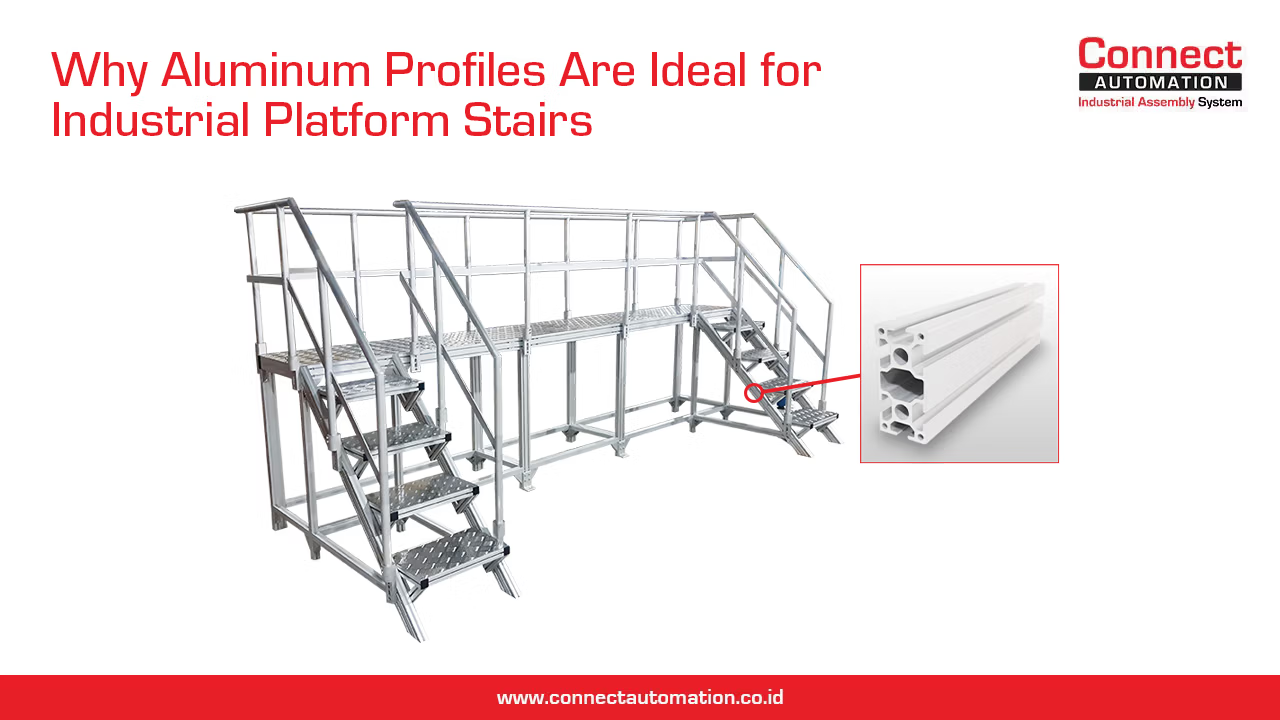
In modern industrial facilities, platform stairs serve more than just providing access to elevated work areas. They play an important role in improving workplace safety, operational efficiency, and equipment maintenance. For this reason, selecting the right construction material is a critical consideration during the design phase.
One material that has become increasingly popular is the aluminum profile. Compared to conventional structural materials, aluminum profiles offer several advantages, including lightweight construction, excellent corrosion resistance, and easy installation and modification.
So, why are aluminum profiles an excellent choice for industrial platform stairs? Let's explore the key reasons.
What Is an Aluminum Profile?
An aluminum profile is an extruded aluminum structural component manufactured through the aluminum extrusion process. Its specially designed cross-sectional shape provides excellent strength while allowing flexible assembly for a wide range of industrial applications.
In manufacturing facilities, aluminum profiles are commonly used to build:
- Machine frames
- Conveyor systems
- Industrial workstations
- Safety guarding
- Work platforms
- Platform stairs
One of the biggest advantages of aluminum profiles is their modular construction system. Most structures can be assembled using dedicated connectors without extensive welding, making installation faster and future modifications much easier. This flexibility makes aluminum profiles a practical solution for many industrial projects.
Why Are Aluminum Profiles Widely Used for Platform Stairs?
Industrial platform stairs must provide safe access while maintaining structural strength and long-term durability. Aluminum profiles combine several important advantages that make them highly suitable for these applications, including:
- Lightweight yet structurally strong
- Excellent corrosion resistance
- Modular construction
- Easy to modify when production layouts change
- Clean and professional appearance
- Low maintenance requirements
Because of these benefits, aluminum profiles have become a preferred material for industrial platform stair systems across many industries.
Lightweight Yet Structurally Strong
One of the primary advantages of aluminum profiles is their significantly lower weight compared to steel. Despite being lightweight, aluminum profiles provide excellent structural performance when the appropriate profile size and specifications are selected for the intended application.
Their lighter weight offers several practical benefits, including:
- Easier transportation of structural components
- Faster installation on-site
- Reduced structural load on supporting systems
- Simpler relocation when production layouts change
The combination of strength and reduced weight makes aluminum profiles highly suitable for industrial access structures.
Excellent Corrosion Resistance for Industrial Environments
Industrial facilities often operate in humid environments or require frequent cleaning and washdowns. Materials that are prone to corrosion can increase maintenance costs and shorten the service life of the structure.
Aluminum naturally forms a protective oxide layer that helps resist corrosion, allowing it to perform well in demanding industrial environments.
This makes aluminum profiles particularly suitable for:
- Food and beverage manufacturing
- Bakery production
- Plastic manufacturing
- Production areas with frequent cleaning
- High-humidity environments
Excellent corrosion resistance also helps maintain a clean, professional appearance throughout the life of the platform.
Modular Design Makes Future Expansion Easier
Production requirements often change as factories expand or production layouts are modified. One of the greatest advantages of aluminum profiles is their modular design, allowing structures to be adapted more easily than permanently welded systems.
Some of the benefits include:
- Easy expansion when additional platforms are required
- Simple modifications for layout changes
- Convenient relocation when equipment is moved
- Shorter installation time
- Reduced on-site fabrication work
This flexibility makes aluminum profile structures an excellent long-term investment for growing manufacturing facilities.
Easier Maintenance
In addition to their long service life, aluminum profiles require relatively little maintenance. Unlike some structural materials that may require periodic repainting or refinishing, aluminum profiles generally maintain their appearance with minimal upkeep.
Additional maintenance advantages include:
- Easy to clean
- No regular repainting under normal operating conditions
- Excellent durability in humid environments
- Lower long-term maintenance costs
These benefits help reduce overall operating expenses while maintaining reliable performance.
Aluminum Profiles vs. Mild Steel for Platform Stairs
Both aluminum profiles and mild steel offer advantages depending on the application. The best material should always be selected based on the operating environment and structural requirements.
The following table highlights some general differences.
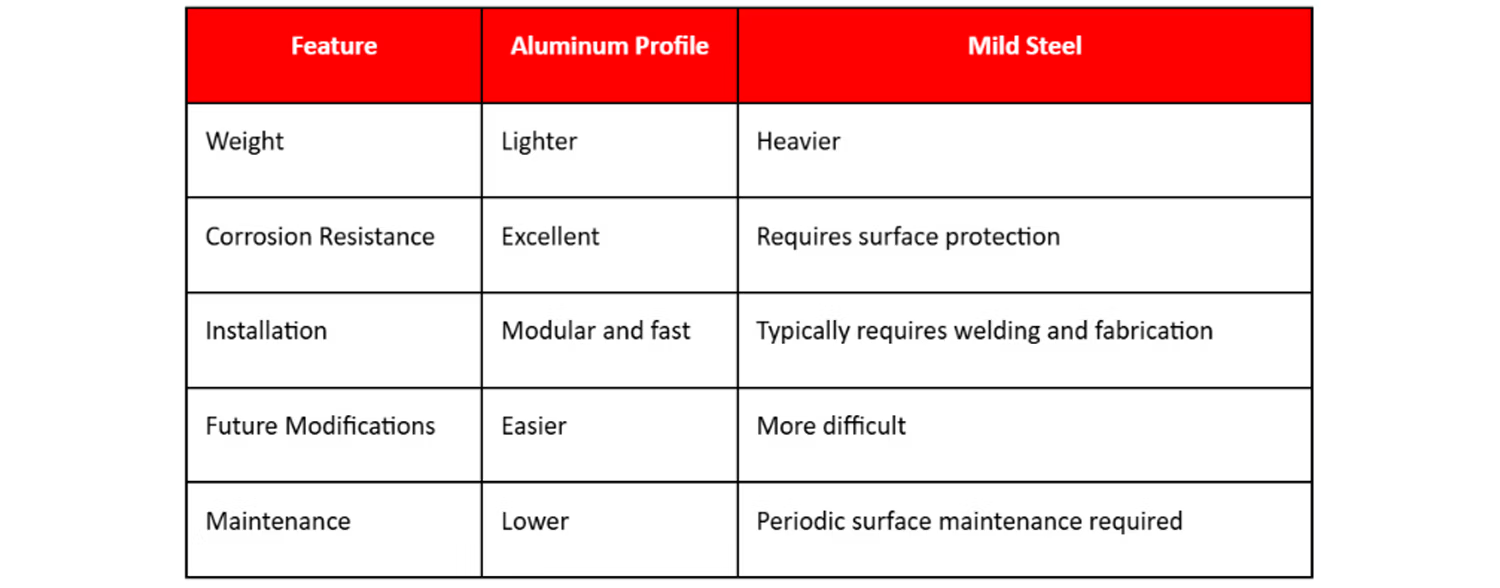
For many industrial platform stair applications, aluminum profiles provide greater flexibility, particularly when future expansion or layout modifications are expected.
Common Applications of Aluminum Profile Platform Stairs
Thanks to their modular construction, aluminum profiles can be used in many industrial access applications. Typical applications include:
- Hopper access platforms
- Tank access platforms
- Conveyor access platforms
- Maintenance platforms
- Operator platforms
- Machine inspection platforms
- Elevated access platforms for production equipment
Their modular design allows each platform to be customized according to specific operational requirements.
Important Considerations Before Choosing Aluminum Profiles
Before designing an industrial platform stair system, several factors should be evaluated to ensure the structure meets operational requirements. Important considerations include:
- Required load capacity
- Platform height
- Working environment
- Platform flooring, such as grating or checker plate
- Handrail and guardrail systems
- Future expansion or modification requirements
- Integration with existing machines and conveyor systems
Proper planning helps ensure that platform stairs provide safe access while supporting efficient production operations.
Conclusion
Aluminum profiles have become one of the preferred materials for industrial platform stairs because they combine structural strength, lightweight construction, corrosion resistance, and excellent flexibility for installation and future modifications.
In addition to supporting production facility expansion, aluminum profiles require relatively little maintenance, making them a cost-effective long-term solution for industrial access structures.
However, material selection should always be based on the specific application, load requirements, and operating environment. By carefully considering these factors during the planning stage, manufacturers can build platform stair systems that are safe, reliable, and capable of supporting efficient industrial operations for years to come.
Connect Automation specializes in providing automation solutions, including conveyor systems, to improve efficiency across various industries. The company delivers cutting-edge technology to help organizations automate tasks and optimize workflows. Connect Automation helps businesses reduce manual efforts, boost productivity, and achieve better outcomes. With a customer-focused approach, the company designs tailored solutions to ensure smooth and effective automation transitions for long-term success.
Kawasan Industri Jababeka Tahap 1, Jl. Jababeka II D Blok C14L Cikarang, Indonesia (17530)
(021) 893 5060 Google Maps
Rungkut Industri III, No. 37, Rungkut Menanggal, Kec. Gn. Anyar Surabaya, Indonesia (60293)
(031) 9985 8624 Google Maps