REQUEST A FREE ESTIMATE!
Function of Stair Systems in Production Areas and Warehouses
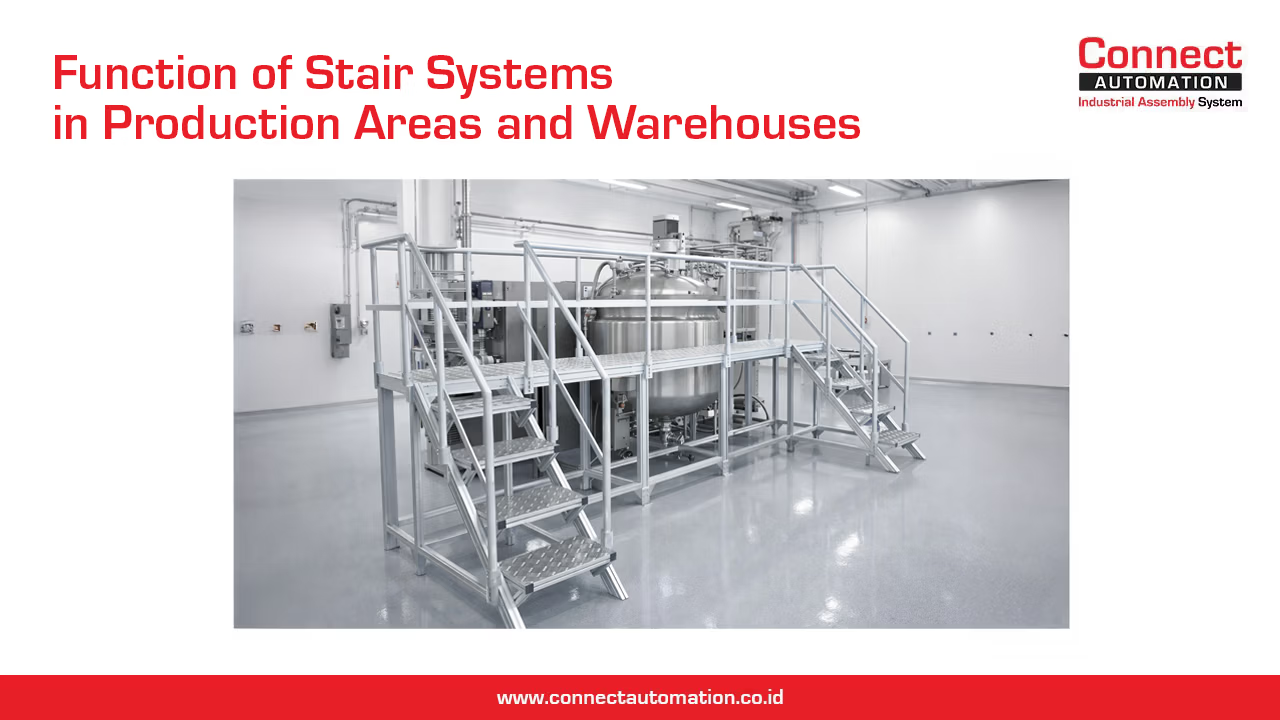
In modern industrial environments, efficiency and workplace safety are two inseparable priorities. One supporting element that is often considered simple, yet plays a critical role, is the industrial stair system. A stair system is not merely a means of moving between levels, but an integral part of the overall working system designed to support production operations, equipment maintenance, and safe access for operators in both production areas and warehouses.
This article specifically discusses the function of stair systems in production areas and warehouses, and why they are an essential component in the design of efficient and safe industrial facilities.
What Is an Industrial Stair System?
An industrial stair system is a stair structure specifically designed for industrial applications. Commonly manufactured using aluminium profiles or industrial-grade steel, stair systems are developed with a modular approach, allowing them to be adapted to different layouts, heights, and access requirements within a facility. Unlike conventional building stairs, industrial stair systems are designed to accommodate:
- High-frequency usage
- Dynamic working environments
- Access to machinery, conveyors, and working platforms
- Strict industrial safety standards
Functions of Stair Systems in Production Areas
1. Safe Access to Machinery and Production Equipment
In production areas, many machines and processing units are installed at specific heights or combined with working platforms. Stair systems provide safe and controlled access for operators to:
- Operate machines
- Perform setup and adjustments
- Monitor production processes
With proper design, stair systems allow operators to move safely between levels without disrupting production flow. This becomes particularly important in high-activity industrial zones such as Jakarta and its surrounding areas (Bekasi, Karawang, Cikarang, and Tangerang), where dense machinery layouts and intensive operations demand structured and reliable access solutions.
2. Supporting Maintenance and Inspection Activities
Routine maintenance and inspection are essential to ensure equipment reliability and minimize downtime. Stair systems enable technicians to:
- Reach inspection points safely
- Perform scheduled maintenance
- Respond quickly to troubleshooting requirements
A stable and ergonomically designed industrial stair system helps reduce physical strain on technicians and minimizes the risk of accidents when working at elevated positions.
3. Connecting Multi-Level Production Areas
In facilities where floor space is limited, multi-level layouts are often implemented to optimize available area. Stair systems function as connectors between production levels, mezzanines, and working platforms. Well-designed stair systems ensure that operator movement between levels is:
- Smooth and efficient
- Safe and controlled
- Integrated with overall production flow
This directly contributes to improved operational efficiency and workplace safety.
Functions of Stair Systems in Warehouse Areas
1. Access to Storage Racks and Warehouse Platforms
In warehouse environments, stair systems are commonly used to provide access to:
- Multi-level storage racks
- Picking platforms
- Inspection and inventory control areas
Compared to portable ladders, fixed industrial stair systems offer greater stability and safety, enabling warehouse operators to perform storage and retrieval tasks with reduced risk.
2. Supporting Efficient Warehouse Workflow
Modern warehouses require fast, organized, and continuous material flow. Stair systems integrated into warehouse layouts help:
- Reduce operator travel time
- Improve productivity
- Maintain safety during high-mobility operations
This is especially relevant in Jakarta and its surrounding industrial zones, which serve as major logistics and distribution hubs with high throughput and operational intensity.
Stair Systems as Part of Workplace Safety
Workplace safety is an inherent aspect of industrial stair system design. Properly engineered stair systems contribute directly to reducing the risk of workplace accidents. Key safety features supported by industrial stair systems include:
- Anti-slip treads to prevent slipping
- Consistent and ergonomic step dimensions
- Rigid and stable structural design
- Optional integration of handrails and guardrails
By integrating stair systems into the overall facility design, manufacturers and warehouse operators can create safer working environments that align with industrial safety requirements.
Flexibility of Stair Systems in Dynamic Production Environments
Industrial environments are rarely static. Layout changes, equipment upgrades, and capacity expansions are common as businesses grow. Modular stair systems offer the flexibility to:
- Adjust stair configurations
- Relocate systems as layouts evolve
- Expand facilities without extensive demolition
This adaptability makes industrial stair systems a long-term solution that supports continuous operational development.
The Role of Stair Systems in Operational Efficiency
Beyond safety considerations, stair systems also contribute to overall operational efficiency. Safe and convenient access allows operators to focus on their tasks, reduces unnecessary downtime, and minimizes disruptions to production processes. With proper planning, stair systems help:
- Maintain organized production flow
- Reduce potential bottlenecks
- Improve operator comfort and confidence
Conclusion
Stair systems in production areas and warehouses are not merely supporting structures, but essential components of industrial operations. By providing safe access to machinery, platforms, and multi-level work areas, stair systems directly contribute to workplace safety, operational efficiency, and smooth production flow.
Selecting and designing the right stair system helps create industrial facilities that are well-structured, safe, and adaptable to evolving production requirements. In modern industrial settings, a properly integrated stair system represents a strategic investment in long-term operational performance.
You can read about other related applications regarding stair systems or stair platform applications in industry through the following articles:
- Integration of Stair Systems with Conveyor and Work Platforms
- Stair System for the Food & Pharmaceutical Industry
Connect Automation specializes in providing automation solutions, including conveyor systems, to improve efficiency across various industries. The company delivers cutting-edge technology to help organizations automate tasks and optimize workflows. Connect Automation helps businesses reduce manual efforts, boost productivity, and achieve better outcomes. With a customer-focused approach, the company designs tailored solutions to ensure smooth and effective automation transitions for long-term success.
Kawasan Industri Jababeka Tahap 1, Jl. Jababeka II D Blok C14L Cikarang, Indonesia (17530)
(021) 893 5060 Google Maps
Rungkut Industri III, No. 37, Rungkut Menanggal, Kec. Gn. Anyar Surabaya, Indonesia (60293)
(031) 9985 8624 Google Maps