
REQUEST A FREE ESTIMATE!
Industrial Workstation Ergonomics to Reduce Worker Fatigue
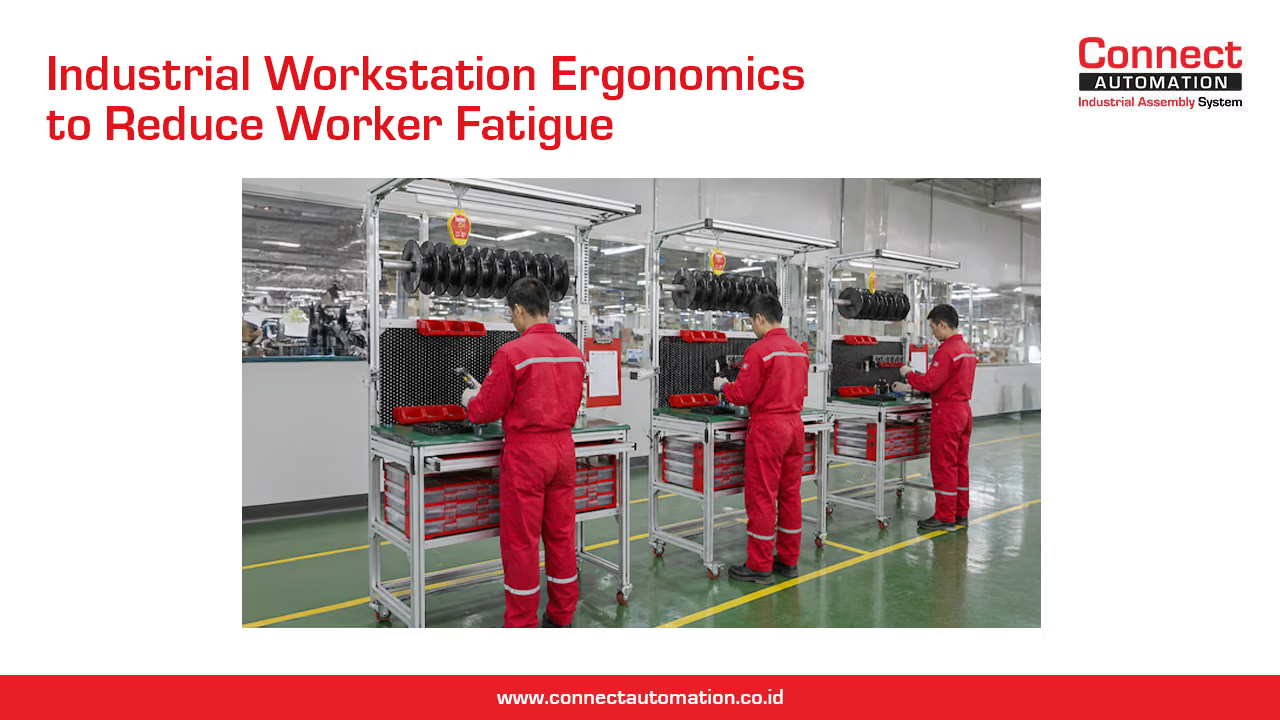
In modern manufacturing environments, productivity is not only driven by machines and technology, but also by the performance of operators on the production floor. One critical factor that is often overlooked is ergonomics in industrial workstations. Poorly designed workstations can lead to operator fatigue, reduced efficiency, and an increased risk of workplace injuries.
On the other hand, well-designed ergonomic workstations enable operators to work more comfortably, efficiently, and consistently—while also supporting the principles of lean manufacturing.
What Is Ergonomics in Industrial Workstations
Ergonomics in an industrial context refers to the design approach that focuses on the interaction between people, tools, and the working environment. In industrial workstations, ergonomics ensures that operators can perform tasks with proper posture, efficient movements, and minimal physical strain. This includes factors such as:
- Work surface height
- Positioning of tools and materials
- Operator movement patterns
- Accessibility within the workspace
With proper design, a workstation becomes more than just a work area—it becomes a tool for improving operator performance.
The Relationship Between Ergonomics, Productivity, and Lean Manufacturing
Ergonomics is not only about comfort—it has a direct impact on productivity. Operators working in ergonomic conditions tend to be:
- More focused
- Faster in completing tasks
- More consistent in their output
In the context of lean manufacturing, ergonomics plays a key role in reducing waste, particularly motion waste, which refers to unnecessary movements that do not add value to the process.
By designing workstations that align with operator needs, companies can create more efficient and standardized workflows.
Operator Reach Zones (Work Zones)
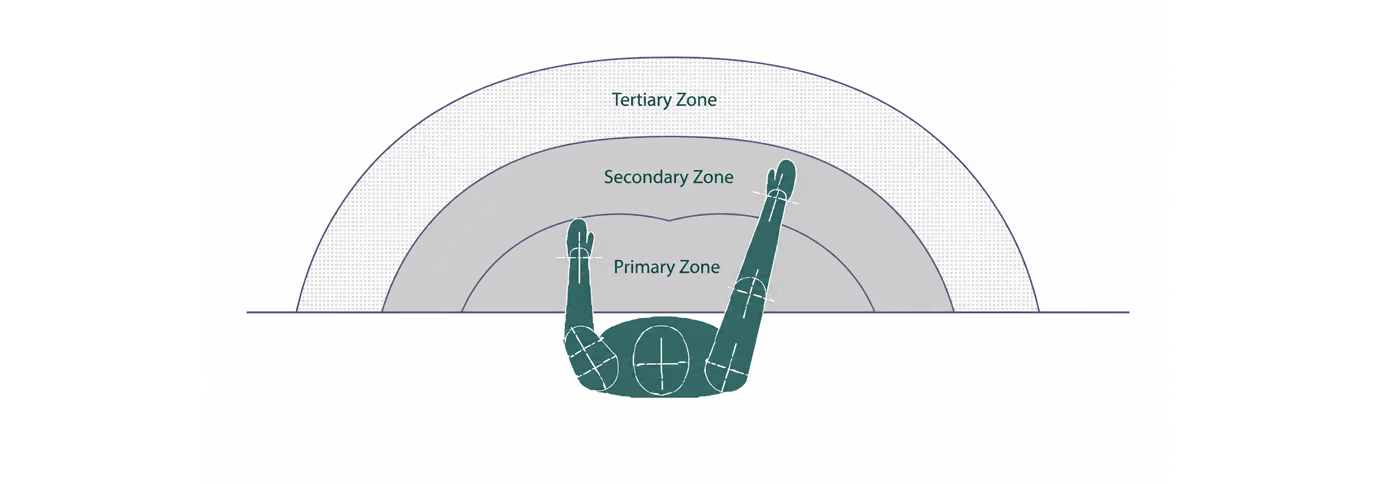
One of the fundamental principles in ergonomic workstation design is the concept of operator reach zones. These zones define how easily operators can access tools and materials within their workspace. Work zones are generally categorized into:
1. Primary Zone
- The area accessible without moving the body
- Used for the most frequent tasks
- Should contain essential tools and materials
2. Secondary Zone
- Within reach but requires slight arm movement
- Used for supporting tasks
3. Tertiary Zone
- Requires body movement or stepping
- Should be minimized in workstation design
Proper placement of tools within these zones helps reduce unnecessary motion and improve overall efficiency.
Body Rotation Principles in Workstation Design
Another important factor in ergonomic workstation design is operator body rotation. Ideally, operators should perform tasks while facing forward, with controlled and minimal body movement. Commonly applied principles include:

- Most tasks are performed in front of the body
- Side-to-side movement is acceptable within a limited range
- Body rotation should be minimized, typically not exceeding 90°
Limiting excessive rotation helps:
- Reduce strain on the lower back and waist
- Minimize the risk of injuries
- Improve speed and consistency of movements
These principles are also aligned with lean manufacturing practices that aim to eliminate motion waste.
Proper Working Height and Posture
The height of a workstation should be adjusted according to the type of task being performed. Incorrect working height can lead to discomfort and inefficient posture. General guidelines include:
- Precision tasks → higher work surface
- Heavy-duty tasks → lower work surface
Ideal working posture should:
- Avoid excessive bending
- Minimize extended reaching
- Maintain a stable and balanced body position
Proper posture is essential for maintaining long-term operator performance.
Placement of Tools and Materials
The arrangement of tools and materials plays a major role in ergonomic workstation design. Key principles include:
- Frequently used tools should be placed in the primary zone
- Materials should follow the workflow sequence
- Avoid requiring operators to reach behind their body
- Minimize unnecessary cross-body movements
Well-organized layouts enable operators to work faster and more efficiently with minimal wasted motion.
The Impact of Ergonomics on Health and Work Quality
Ergonomic workstations provide significant benefits to both operators and production outcomes, including:
- Reduced physical fatigue
- Lower risk of workplace injuries
- Improved focus and concentration
- More consistent product quality
In the long term, these improvements contribute to overall operational stability and efficiency.
Ergonomics as Part of Lean Manufacturing
In lean manufacturing, ergonomics is an essential component that supports efficiency and sustainability in production processes. Ergonomic workstations help:
- Reduce motion waste
- Prevent overburden (muri)
- Maintain consistent workflows
This makes ergonomics not just an optional feature, but a fundamental part of an effective production strategy.
Conclusion
Ergonomics in industrial workstations plays a vital role in creating efficient and safe production environments. By considering reach zones, body rotation, and proper placement of tools and materials, companies can significantly reduce operator fatigue while improving productivity.
A well-designed ergonomic workstation not only enhances operator comfort but also serves as a strong foundation for implementing lean manufacturing in modern production systems.
Connect Automation specializes in providing automation solutions, including conveyor systems, to improve efficiency across various industries. The company delivers cutting-edge technology to help organizations automate tasks and optimize workflows. Connect Automation helps businesses reduce manual efforts, boost productivity, and achieve better outcomes. With a customer-focused approach, the company designs tailored solutions to ensure smooth and effective automation transitions for long-term success.
Kawasan Industri Jababeka Tahap 1, Jl. Jababeka II D Blok C14L Cikarang, Indonesia (17530)
(021) 893 5060 Google Maps
Rungkut Industri III, No. 37, Rungkut Menanggal, Kec. Gn. Anyar Surabaya, Indonesia (60293)
(031) 9985 8624 Google Maps