REQUEST A FREE ESTIMATE!
Integration of Stair Systems with Conveyor and Work Platforms
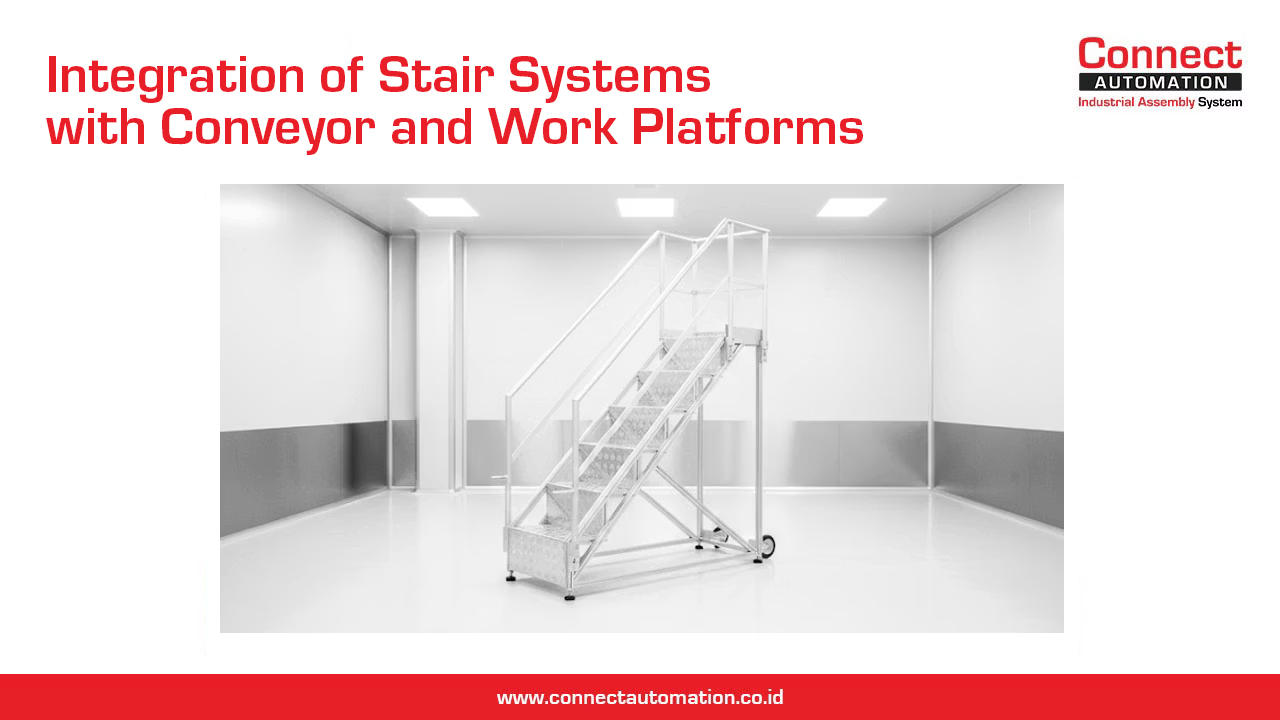
Integration of Stair Systems with Conveyor and Work Platforms
In modern industrial facilities, production efficiency is no longer achieved by optimizing individual components alone. Conveyor systems, work platforms, and access structures must function as a unified system. Within this context, stair systems play a critical role as the interface between automated processes and human operators. Rather than being treated as standalone elements, stair systems should be designed and integrated alongside conveyors and work platforms from the early stages of engineering. This approach ensures safe access, smooth workflow, and long-term operational efficiency.
Stair Systems as Part of an Integrated Production System
Industrial production environments are increasingly system-oriented. Conveyors transport materials, platforms provide working areas, and operators interact with machines at various elevations. Stair systems enable this interaction by providing structured and safe access between different levels. When stair systems are integrated into the overall production system, they:
- Support seamless operator movement
- Maintain clear separation between material flow and human access
- Enhance safety without compromising automation efficiency
This integration becomes essential as production lines grow more complex and vertically structured.
Access Challenges in Conveyor-Based Systems
Conveyor systems are often installed at varying heights depending on process requirements, space constraints, and material flow design. These height differences create access challenges for operators and maintenance personnel. Common issues found in poorly planned systems include:
- Reliance on portable ladders
- Temporary or improvised access structures
- Obstructed walkways near conveyor lines
Such solutions increase safety risks and can interfere with production flow. An integrated stair system eliminates these issues by providing permanent, stable, and well-positioned access points aligned with conveyor layouts.
Integration of Stair Systems with Work Platforms
Work platforms serve as active areas where operators perform inspections, adjustments, and monitoring tasks. Stair systems act as the primary connection between ground level and these elevated work zones. Effective integration between stair systems and work platforms requires consideration of:
- Step height and stair angle for ergonomic movement
- Entry and exit points aligned with operator workflow
- Structural stability to support frequent use
When properly designed, stair systems allow operators to access platforms safely and efficiently without disrupting surrounding equipment or processes.
Benefits of Integrating Stair Systems with Conveyors
The integration of stair systems with conveyor and platform structures delivers several operational advantages:
Improved Workflow Efficiency
Operators can move between working levels quickly and safely, reducing unnecessary travel time and minimizing disruptions to production activities.
Enhanced Maintenance Accessibility
Maintenance personnel gain direct access to conveyor components, drive units, and inspection points, allowing faster response times and reduced downtime.
Increased Workplace Safety
Integrated stair systems reduce the risk of slips, falls, and unsafe climbing practices by providing stable, purpose-built access routes.
Cleaner and More Organized Layouts
A unified design approach results in a more organized facility layout, improving visibility, housekeeping, and overall professionalism of the production environment.
Modular Design Approach for Integrated Systems
Modern conveyor systems are typically modular, allowing for future expansion and layout adjustments. Stair systems should follow the same modular design philosophy. Modular stair systems offer:
- Flexible configuration options
- Easy adaptation to layout changes
- Compatibility with modular conveyor frames and platforms
This approach is particularly beneficial in dynamic industrial environments, where production requirements evolve over time. Modular integration ensures that stair systems remain functional and relevant throughout system upgrades.
Integration in Different Industrial Environments
Manufacturing Facilities
In manufacturing plants, integrated stair systems support access to production lines, inspection stations, and elevated machinery. Proper integration helps maintain smooth production flow while ensuring operator safety.
Warehousing and Logistics
In logistics and distribution centers, stair systems integrated with conveyor lines and picking platforms enable efficient material handling and safe access to elevated work areas, especially in high-throughput operations.
Food and Pharmaceutical Processing
In hygiene-sensitive industries, stair systems integrated with food-grade conveyors and platforms must support easy cleaning and contamination control. Aluminium profile stair systems are commonly used to meet these requirements.
Stair Systems in the Early Planning Stage
One of the most common mistakes in industrial projects is treating stair systems as an afterthought. When access structures are added late in the project, compromises in safety, efficiency, and layout quality often occur. By incorporating stair systems into the early engineering and layout planning stages, facilities can achieve:
- Optimized access routes
- Better coordination with conveyor and platform designs
- Improved long-term operational reliability
Early integration also reduces the need for costly modifications after installation.
Supporting Industrial Operations in Jakarta and Surrounding Areas
In industrial regions such as Jakarta and its surrounding areas, including Bekasi, Karawang, Cikarang, and Tangerang, facilities often operate under space constraints and high production intensity. Integrated stair systems help address these challenges by enabling vertical access without disrupting conveyor layouts or material flow. Well-planned integration supports both operational efficiency and workplace safety in demanding industrial environments.
Conclusion
The integration of stair systems with conveyor and work platforms is a critical aspect of modern industrial facility design. Stair systems serve as the connection between automated equipment and human operators, enabling safe, efficient, and structured access throughout the production environment. By adopting an integrated and modular design approach, industrial facilities can improve workflow efficiency, enhance safety, and maintain flexibility for future expansion. Stair systems that are planned as part of the overall system—rather than added as standalone components—represent a strategic investment in long-term operational performance.
Connect Automation specializes in providing automation solutions, including conveyor systems, to improve efficiency across various industries. The company delivers cutting-edge technology to help organizations automate tasks and optimize workflows. Connect Automation helps businesses reduce manual efforts, boost productivity, and achieve better outcomes. With a customer-focused approach, the company designs tailored solutions to ensure smooth and effective automation transitions for long-term success.
Kawasan Industri Jababeka Tahap 1, Jl. Jababeka II D Blok C14L Cikarang, Indonesia (17530)
(021) 893 5060 Google Maps
Rungkut Industri III, No. 37, Rungkut Menanggal, Kec. Gn. Anyar Surabaya, Indonesia (60293)
(031) 9985 8624 Google Maps