REQUEST A FREE ESTIMATE!
Basic Safety Rules for Industrial Conveyor Systems
In modern manufacturing environments, conveyor safety plays an important role in maintaining workplace safety while ensuring stable and efficient production flow. A properly designed and operated conveyor system not only improves productivity, but also supports overall workplace safety practices and the implementation of occupational safety principles within industrial facilities.
This article discusses the basic safety rules for industrial conveyor systems using a rule-based approach. The focus is on practical principles and real-world practices, without going into specific technical components.
Why Conveyor Safety Matters in Industrial Areas
Conveyor systems operate continuously and often interact directly with operators. Without clear safety rules, conveyors can become potential sources of hazards, ranging from pinch points to unsafe material transfer paths. Implementing conveyor safety helps companies to:
- Reduce the risk of workplace accidents
- Maintain smooth and uninterrupted production processes
- Support compliance with industrial safety standards
- Build a safer and more disciplined work culture
Conveyor Placement and Layout Considerations
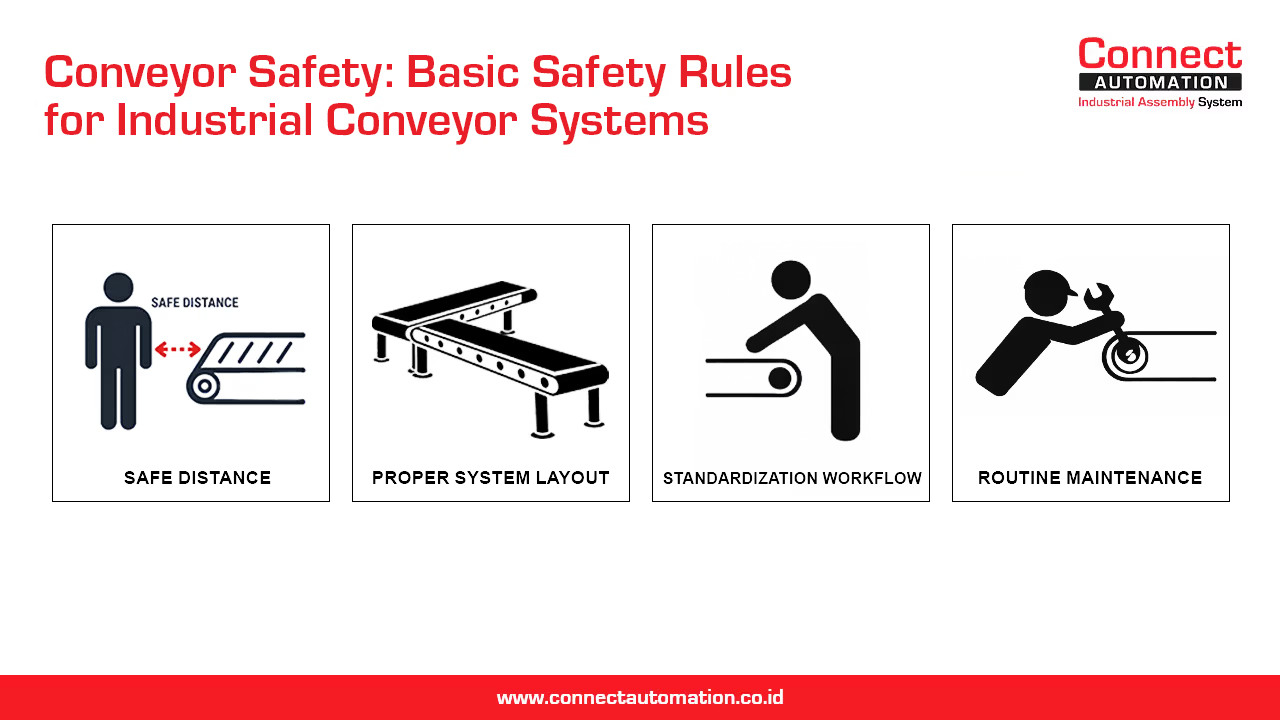
One of the fundamental rules of conveyor safety is proper system layout and placement. Conveyor systems should be installed with careful consideration of:
- Safe distances between conveyors and operator walkways
- Adequate access for operational activities
- Material flow paths that do not cross pedestrian routes
A well-planned layout improves efficiency while minimizing unsafe interactions between people and machinery.
Importance of Safety Guarding in Conveyor Systems
In addition to proper conveyor layout and placement, the use of safety guarding is an essential part of improving safety within conveyor systems. Conveyors contain various moving components such as rollers, pulleys, chains, sprockets, and transfer points that may present potential hazards if operators come into direct contact with them.
Safety guarding acts as a physical barrier that helps restrict access to hazardous areas while the conveyor is in operation. When properly designed, guarding can reduce the risk of workplace accidents without interfering with normal operations or routine maintenance activities.
Today, safety guarding has become a common practice across a wide range of industries, including manufacturing, logistics, food and beverage, pharmaceuticals, and packaging. In addition to protecting operators, guarding systems also help companies comply with industrial safety requirements and workplace safety standards.
To learn more about the various types of safety guarding commonly used in industrial machinery and conveyor systems, you can read our article What Is Safety Guarding and Why Its Essential in Production Area.
The Role of Sensors in Supporting Conveyor Safety
In addition to physical protection through safety guarding, modern conveyor systems often utilize sensors to improve both operational reliability and workplace safety. Sensors help monitor specific conveyor conditions, allowing potential issues to be identified before they develop into larger operational problems.
In various industrial applications, sensors can be used to detect product presence, monitor transfer points, identify product accumulation, and detect abnormal conditions that may disrupt production flow. The information collected by these sensors can be used to trigger alerts or initiate specific actions based on operational requirements.
Besides helping maintain a smooth product flow, sensors can also contribute to reducing equipment damage and minimizing operational disruptions that may affect safety around conveyor systems. For this reason, sensors have become an important supporting component in modern material handling applications.
When properly integrated into a conveyor system, sensors can improve process visibility, support preventive maintenance activities, and help operators respond more quickly to potential issues before they impact production performance or workplace safety. For more detailed information, you can read the article: Sensors and Safety Interlocks the Building Process Stability.
Human–Machine Interaction Areas
Every conveyor system has specific points where operators interact with the equipment, whether for monitoring, handling products, or daily operational tasks. These areas require special attention. Basic rules to consider include:
- Limiting interaction zones to only what is necessary
- Ensuring operators understand safe boundaries around conveyors
- Avoiding unsafe improvisation during daily operations
This approach aligns with industrial safety principles that emphasize prevention through proper planning.
Standardization of Workflow and Operations
Standardization is a key element of conveyor safety. Consistent workflows help operators understand how the system functions without relying on guesswork or spontaneous adjustments.
Important standardization principles include:
- Clear and consistent material flow
- Stable operating processes
- Minimal need for manual intervention
These practices also support occupational safety systems by reducing errors caused by unclear or inconsistent procedures.
Housekeeping and the Connection to 5S
The condition of areas surrounding conveyor systems has a direct impact on safety. Cluttered, dirty, or poorly organized spaces increase the risk of accidents. Within the context of 5S, conveyors play an important role, particularly in the Standardize and Sustain stages. Basic rules include:
- Keeping conveyor areas clean and orderly
- Ensuring no tools or materials obstruct conveyor paths
- Maintaining consistent organization along the entire system
Human Factors and Safety Awareness
Beyond systems and layouts, human factors significantly influence conveyor safety. Work habits, awareness levels, and a culture of mutual care all affect safety performance on the shop floor. Key principles include:
- Understanding that conveyors are active systems
- Following established workflows and safe practices
- Encouraging workers to look out for one another
This perspective reinforces the idea that safety is a shared responsibility, not solely a system feature.
Visual Checks and Early Risk Prevention
Basic conveyor safety rules also include routine visual checks. Without entering technical maintenance topics, simple visual inspections can help identify potential unsafe conditions early. These checks may include:
- General condition of the conveyor area
- Presence of foreign objects along conveyor paths
- Unusual changes in operating conditions
Early detection supports risk prevention before issues escalate.
Conveyor Safety as Part of Workplace Safety Systems
Overall, conveyor safety does not stand alone. The basic rules applied to conveyor systems are generally aligned with broader workplace safety practices and occupational safety frameworks used across industrial environments. With the right approach, conveyor systems can become part of the safety solution rather than a source of risk.
Conclusion
Understanding and applying basic conveyor safety rules is an essential step in building safe, consistent, and sustainable material handling systems. A rule-based approach, applied from planning through daily operations, helps create a more orderly working environment that aligns with industrial safety standards. Ultimately, conveyor safety is not only about systems and equipment, but also about fostering a workplace culture that prioritizes the safety of everyone involved.
Connect Automation specializes in providing automation solutions, including conveyor systems, to improve efficiency across various industries. The company delivers cutting-edge technology to help organizations automate tasks and optimize workflows. Connect Automation helps businesses reduce manual efforts, boost productivity, and achieve better outcomes. With a customer-focused approach, the company designs tailored solutions to ensure smooth and effective automation transitions for long-term success.
Kawasan Industri Jababeka Tahap 1, Jl. Jababeka II D Blok C14L Cikarang, Indonesia (17530)
(021) 893 5060 Google Maps
Rungkut Industri III, No. 37, Rungkut Menanggal, Kec. Gn. Anyar Surabaya, Indonesia (60293)
(031) 9985 8624 Google Maps